The Cowichan Tribes v. Canada case saw Justice Barbara Mary Young rule that land titles in an area of Richmond were “defective and invalid,” saying the Cowichan had established title to 732 acres of land in Richmond. She ruled that the Cowichan had a “prior and senior right” to the land, upending property ownership in British Columbia.
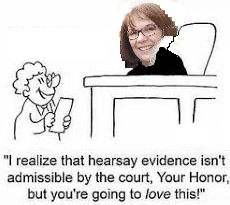
The law regards hearsay as inadmissible in court because it is inherently unreliable. This includes ‘oral history’ of natives. Justice Young ignored that. “Altered rules of evidence are permitted to address the inherent evidentiary difficulties in litigating Aboriginal rights cases.” she said. Without accepting heresay the natives have no case.
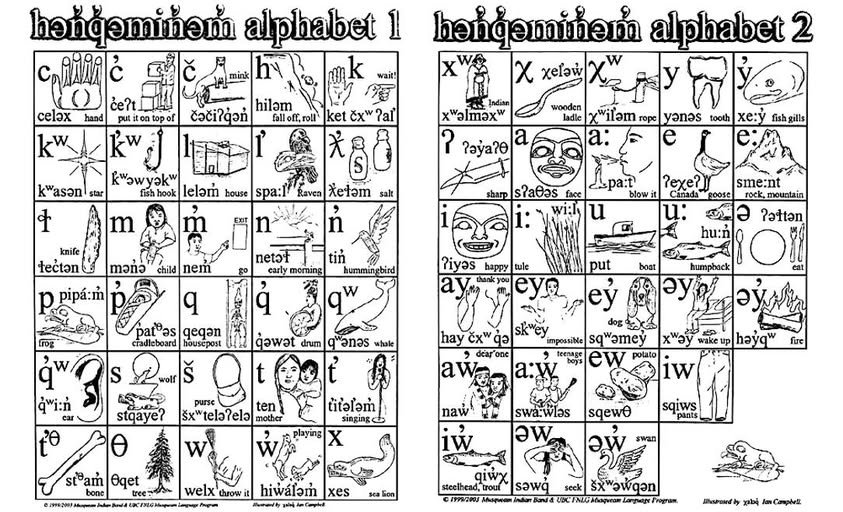
Young based most of her decision on the stories passed down from the 1850s she heard. During the Cowichan Tribes v. Canada hearing Young went out of her way to use native language whenever possible, even lamenting that she couldn’t produce court documents in the indecipherable hən̓q̓əmin̓əm̓ alphabet.
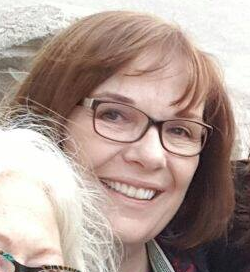
Diving Justice Barbara Mary Young’s background is a repeated exercise in futility. After going through MANY yearbook photos, I could not find her as a graduate of a nursing program from Mohawk College in 1975 as billed. This might be explained if she was using her maiden name then, but there is no information on her being married either. The woman behind the outrageous Cowichan Tribes v. Canada decision remains an enigma. Multiple sources repeatedly confirm her status as a Bill C-31 hire. The 1985 Bill C-31 amended the Indian Act to restore status to women who lost it due to discriminatory marriage rules, impacting hiring/status for Indigenous women. Young was made a Justice because of an opening on the bench created by Bill-31, not based on her merit. She was a bankruptcy judge of limited experience. How she was chosen over far more qualified judges under Bill-31 remains unknowable. An assumuption that follows is that she has native blood.
An outstanding piece has been penned by Peter Best. Here.
 |
“Yet in the Cowichan case, Young accepted numerous highly contestable positions regarding the historical record, without supporting expert testimony or evidence.” |
| “She used the word “disgraceful” to describe virtually everything the Canadian government did to or for the Indigenous population during the 19th and early 20th centuries.” | 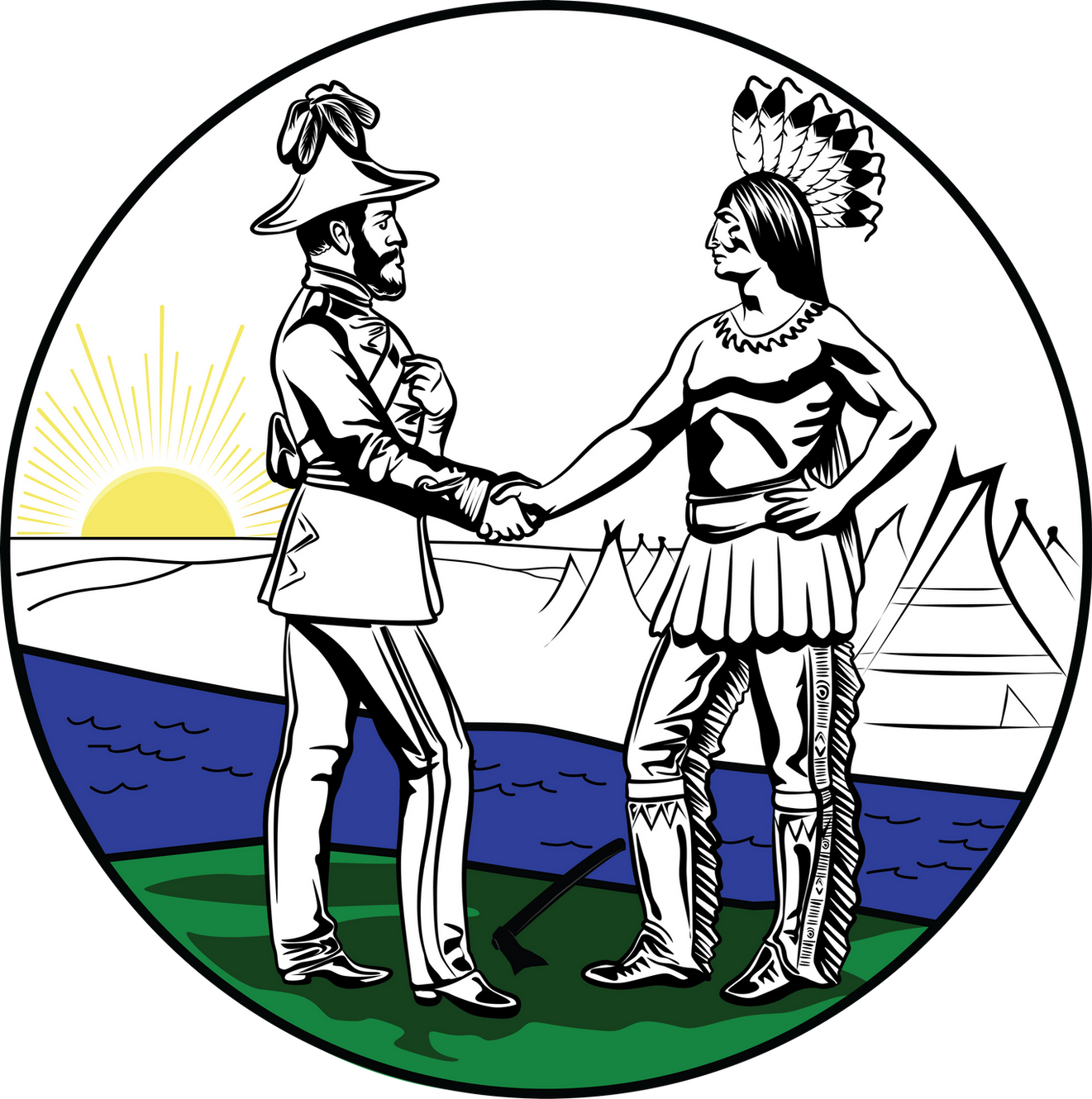 |
We state the obvious. Justice Barbara M. Young has always been hugely biased and is grotesquely unqualified to have ever been named a Justice of The B.C. Supreme Court in the first place. She supplanted far more qualified Justices by virtue of her Bill C-31 status. Grossly inexperienced, she sat through a 5 year long trial.
“Justice Barbara Young ruled that the land in Richmond belongs to the Cowichan by virtue of unextinguished aboriginal title; her decision renders the land titles of the current owners invalid, and threatens the very concept of private property rights for all Canadians.”
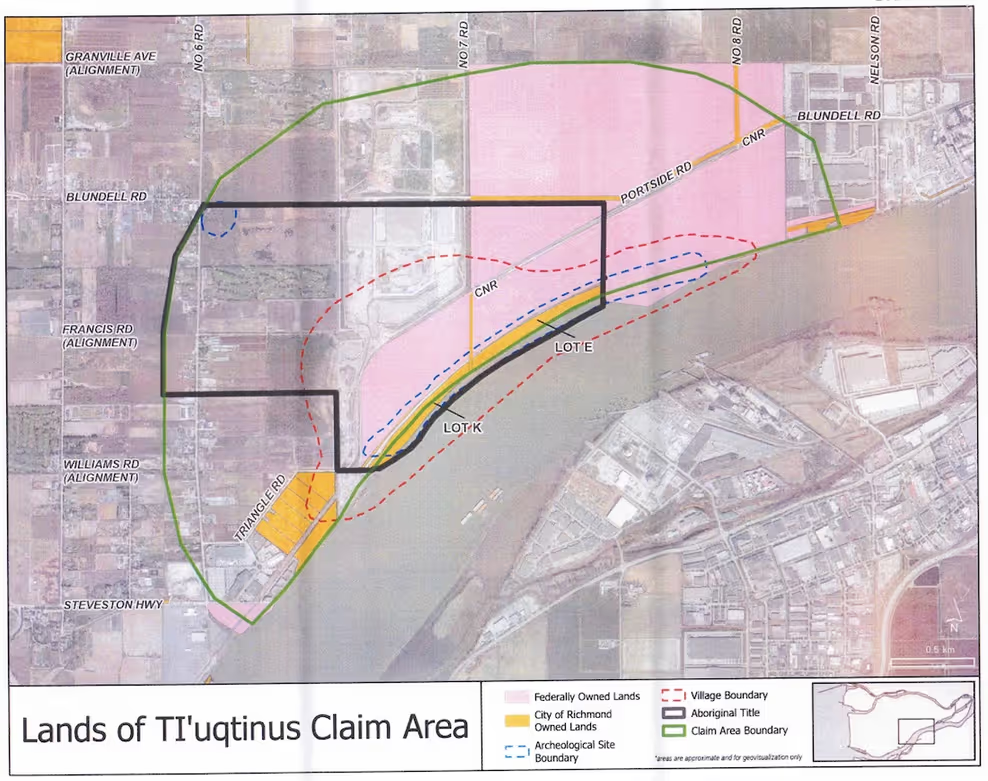
Property owners in an area of Richmond have been warned in a new notice letter issued by Richmond Mayor Malcolm Brodie that the recent B.C. Supreme Court decision recognizing Aboriginal title could cast immense uncertainty over their property ownership and land titles. Cowichan Tribes sought an area of 1,846 acres to be designated under their Aboriginal title. Although trial judge Justice Young deemed about 40% of the area to be under Aboriginal title, the Cowichan Tribes are launching their own appeal process to expand the declared Aboriginal title area that covers the entire green area in the map — all 1,846 acres.
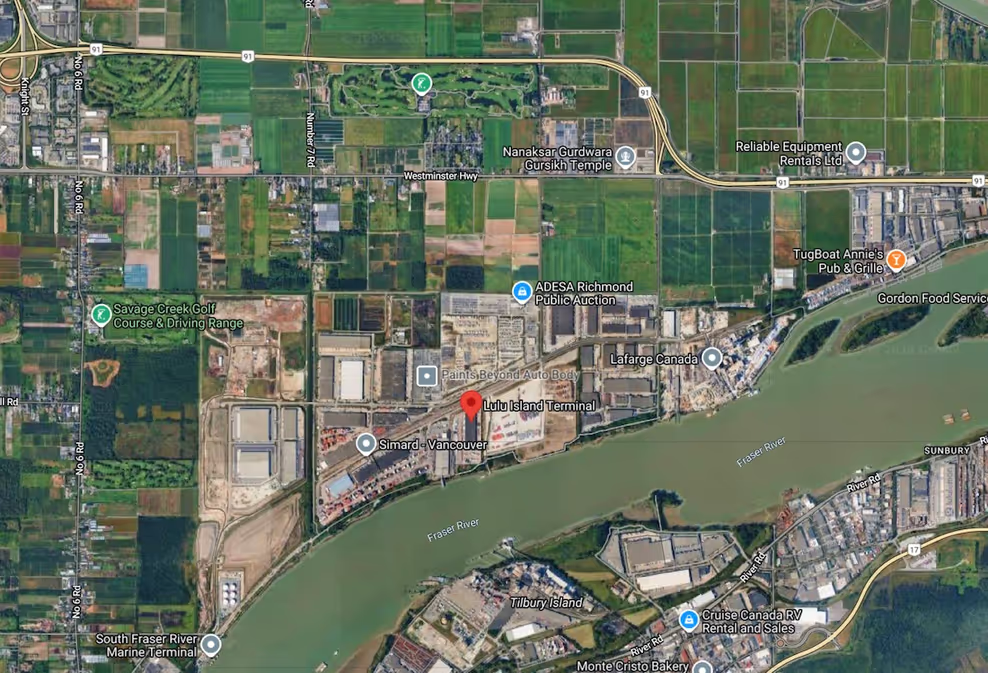
The lands were fully alienated and registered under provincial law about 150 years ago. No private landowners were formally notified of the previous litigation, despite the possibility that their properties could be affected by the outcome.
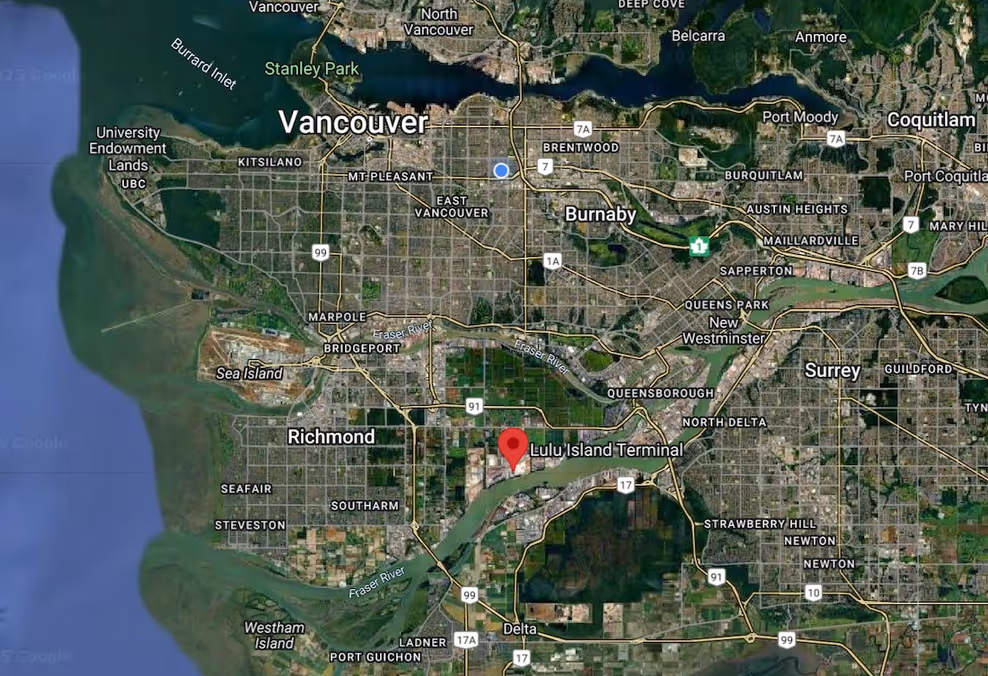
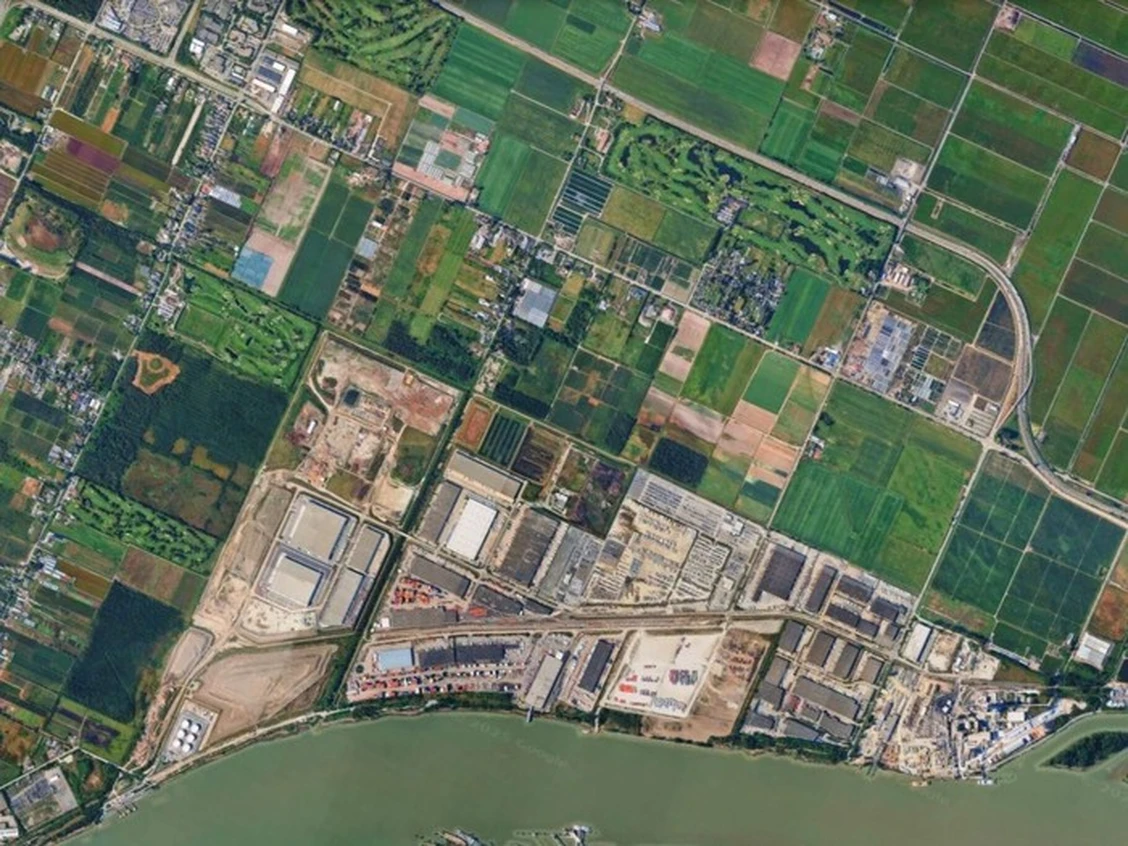
While the press are filling in details of the property effected by the Cowichan Tribes v. Canada, 2025 BCSC 1490 ruling, we have yet to see a single reporter fill in the details of the Justice who made that ruling. Barbara M. Young was grossly inexperienced and completely unqualifed by virtue of obtaining her position on the British Columbia Supreme Court through a Bill C-31 hire, which perferred her over far more qualified candidates because she is a native woman.

Justice Barbara M. Young received a Registered Nursing diploma in 1975 from Mohawk College. She received a Bachelor of Arts with distinction in 1983 and a Bachelor of Laws in 1985, both from the University of Calgary, and was admitted to the Bar of British Columbia in 1986. She was a partner with Berge Horn and a number of other firms. She practised primarily in the areas of family law, personal injury, and bankruptcy. She was appointed Queen’s Counsel in 2005.
Originally from St. Catharines, Barbara M. Young was appointed Master and Registrar of Bankruptcies (Central Okanagan) with the Supreme Court of British Columbia in 2006.
|
| Barbara Mary Young was appointed to the Supreme Court of British Columbia to fill a new position created by Bill C-31 in 2015. |
Bill C-31, officially titled “An Act to Amend the Indian Act”, was passed in 1985 to address gender discrimination in the Indian Act and to restore Indian status to those who had lost it due to discriminatory provisions, predominantly women who had lost their Indian status or band membership due to marriage to non-natives. Barbara M. Young wasn’t appointed to the high court because of merit, she was appointed to the Supreme Court of British Columbia because she is a native woman.
Bill C-31 also aimed to allow bands to control their own membership as a step towards self-government.
See —– Cowichan Tribes v. Canada, 2025 BCSC 1490
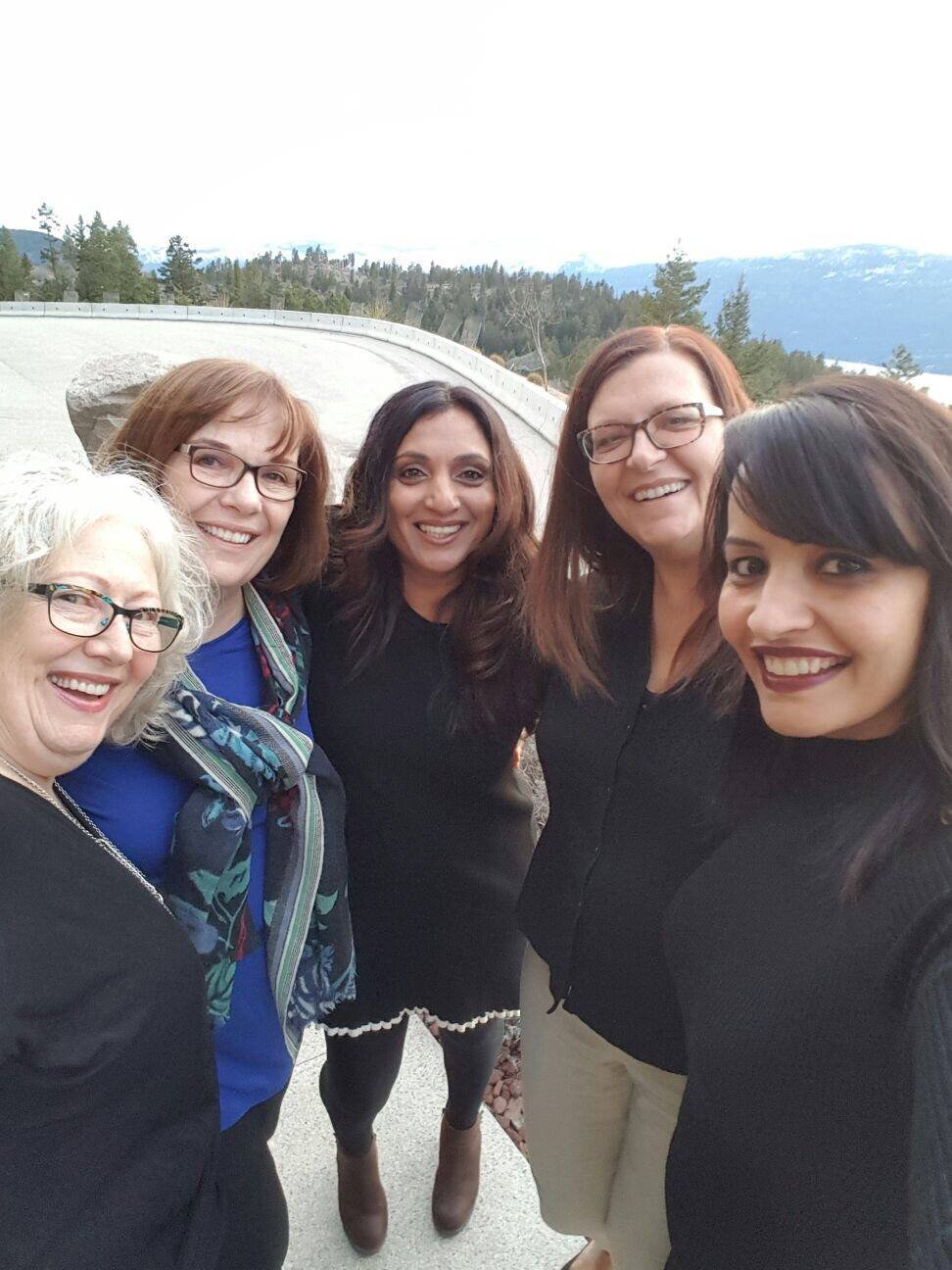
This past weekend I attended the CBA BC Woman Lawyer’s Forum in Vernon BC with my good friends and colleagues Kathryn Sainty and Sonia Virk. Beautiful setting at Sparkling Hills. It was a real privilege to meet the Honourable Madam Justice Barbara M. Young and the Honourable Judge Cathie Heinrichs both of whom shared views from the bench to the woman lawyer attendees. (2017)

It is June 2016. A citizen (name redacted) appears before rookie Justice Barbara M. Young. His offense? Under a gag order, he sent an e-mail to a 3rd party banker at a tier one bank asking for contact information. The 3rd party wasn’t named in the gag order. He was the brother-in-law of the man at the center of the other side. At appearance, the citizen tried to present evidence of perjury of plaintiff affidavits. Justice Barbara M. Young refused to hear evidence, ruled a breach of the gag order, and called the citizen ‘disingenuous’. Opposing counsel (name redacted) argued strenuously for incarceration, but then suddenly dropped that demand near the end of the hearing.
Justice Barbara M. Young applauded him for being ‘kind’. Young’s finding of contempt after declining to hear evidence would be used and reused multiple times in subsequent plaintiff hearings.
It is February 2018. Opposition make another claim of contempt before their preferred Justice Barbara M. Young, based on her previous ruling and a demonstrably false affidavit claiming another breach. The matter was by then subject to a settlement agreement between the parties. Justice Barbara M. Young again refused to hear defence evidence and threatened to toss the executed settlement and reopen the case. The citizen consented to a suspended jail sentence to avoid being locked up by Justice Barbara M. Young.
There was a CJC (Candian Judicial Council) complaint made against Justice Barbara M. Young. As with 97% of all complaints every year to the CJC it was dismissed by a peon before being considered.


Leave a Reply to St. Clair O Cancel reply