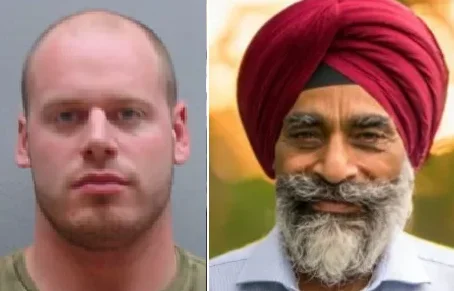
Toronto-area jeweller Rolan Sokolovski ‘third in command’ of Ryan Wedding’s drug empire, could be sent to California by the end of the year to stand trial. He was ordered to appear for an extradition hearing on Dec. 3.

———————————————————
Court documents are shedding more bad light on the link between a sweeping police corruption probe in Ontario and Ryan Wedding. Gurpreet Singh, accused by U.S. authorities of helping co-ordinate cocaine shipments for Wedding, was investigated for his involvement in a plot to kill a Toronto corrections facility officer, documents unsealed on Friday show.
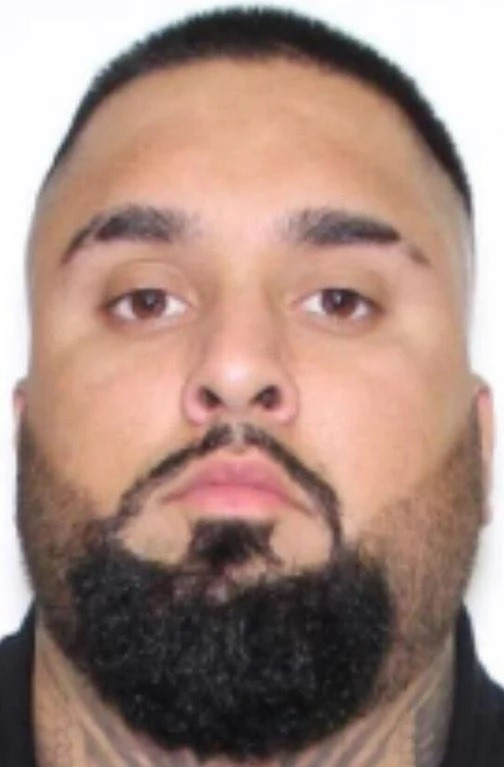 |
The police probe of that plot led to Project South, a massive investigation by York Region police that busted 7 Toronto police officers and one retired constable. |
Charges are bribery, conspiracy to commit murder and drug trafficking, among other offences. Singh, who is awaiting extradition to the United States, has not been criminally charged as part of Project South.
It’s being reported that Ryan Wedding’s right hand man Andrew Clark has flipped. He tasked Malik Damion Cunningham ‘Mr Perfect’ to kill Randy Fraser, who was shot in the head in the driveway of his family’s home on the evening of April 1, 2024.
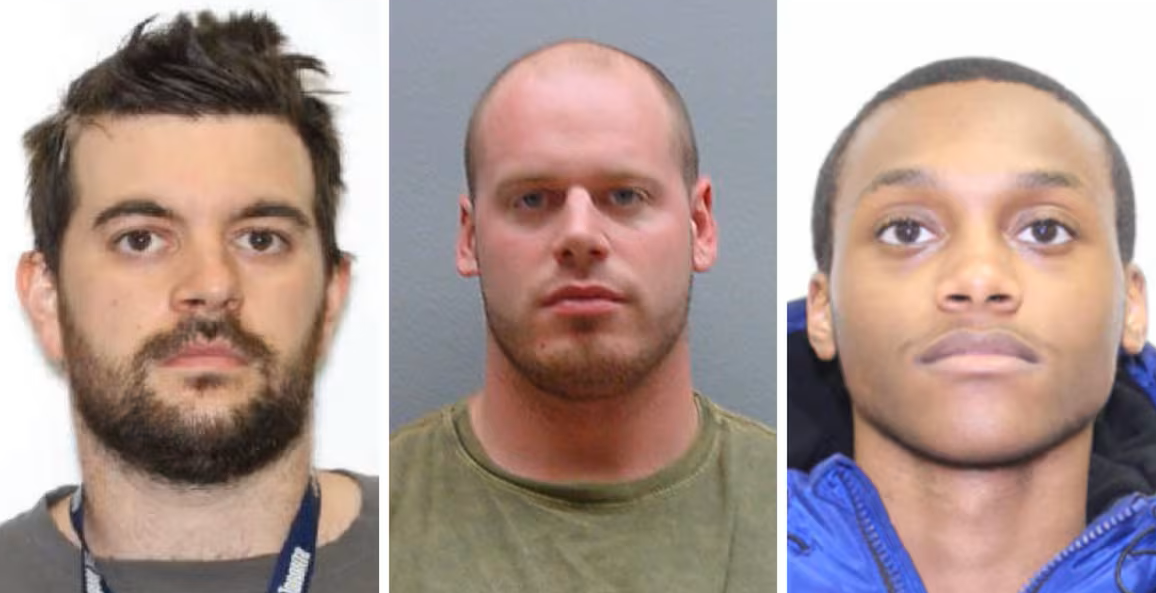
“Drive over niagra blow this guys top off,” Clark told Cunningham in an encrypted chat 14 days before the shooting. Clark, prosecutors say, offered the assassin $100,000 plus expenses, if he pulled off the ‘driveway job.’
It was a brazen assassination. Clark was in custody and was extradited to Los Angeles in March 2025. ‘Mr. Perfect’ lost his extradition hearing and will be sent to America for justice as well. The trial for Wedding is scheduled for December, 2026. He is fukked and will rat out the Sandhers to avoid spending the duration at Florence Admax. The death penalty is still apparently on the table.
———————————————————
Latest to fall is Rakhim Ibragimov.

He’s pleading guilty for intent to distribute 375 kilograms of cocaine for a drug network tied to Ryan Wedding. Ibragimov was caught by U.S. cops in April 2024 after he traveled from Canada to California to oversee a drug shipment. He was detained and then allowed to return to Ontario before being arrested again in October 2024 by Toronto police. His arrest came around the same time that the U.S moved in on more than a dozen of Wedding’s co-conspirators in Canada, the U.S., Mexico and Colombia.
———————————————————
The court dismissed the Crown’s application for review of Deepak Paradkar’s bail, finding no errors in Superior Court Justice Peter Bawden’s approach and decision. Our information has ‘Cocaine Lawyer’ Deepak Paradkar sitting at the executive table and as a key contact to the Sandher Crime Family. The kingpin is one lucky duck and best enjoy his freedom while it lasts.
Ryan Wedding’s trial was rescheduled to December 2026 by a federal judge in California to give the defense time to review the large volume of evidence.
 |
Toronto Life wrote a story called ‘Better Call Deepak’ about Deepak Paradkar. |
 |
Allistair Chapman, linked to the international drug trafficking network of kingpin Ryan Wedding, has been denied bail. |
US prosecutors say Chapman was deeply involved in the plot to kill an FBI informant in Colombia.
Brian Da Costa, a drug trafficker accused of bribing Toronto cops in Project South, has been ordered not to contact Gurpreet Singh, a co-accused of cocaine kingpin Ryan Wedding. (James Conrad King, Jesse King) Gurpreet Singh is one of 35 names listed on a no-contact list included in Da Costa’s release order. He recently had his bail pulled.
 |
Singh was one of four men in Ontario arrested in October 2024 as accomplices of Ryan Wedding. He was denied bail. |
Singh and his uncle did at least two shipments, totalling more than 650kg of cocaine, from California to Canada for Wedding’s network. The pair agreed to move the drugs for a rate of $220k per truck load.
| The Sandher Crime Family Operation was tied to Ryan Wedding. |
 |
Wedding faces 17 felony counts, including running a criminal enterprise, conspiracy to distribute and export cocaine, witness intimidation and conspiring to murder a potential witness. |
Wedding faces a maximum of life. The death penalty is on the table. The fall of Wedding means the fall of the Sandhers is imminent. Ryan Wedding, and ALL the Sandhers, may face spending the rest of their lives at Florence Admax.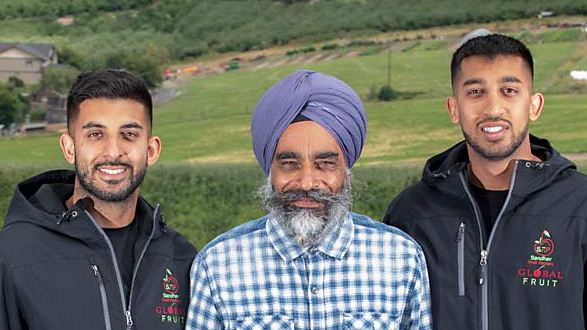
Gurtaj Singh Sandher, Bir Singh Sandher, Prabtaj Singh Sandher will be busted, probably by the Americans.
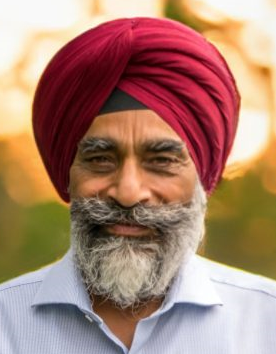
In the world of transnational organized crime, a fruit-packing business like the Sandhers’ is a “gold mine” for a narcotics kingpin like Wedding for three reasons:
  |
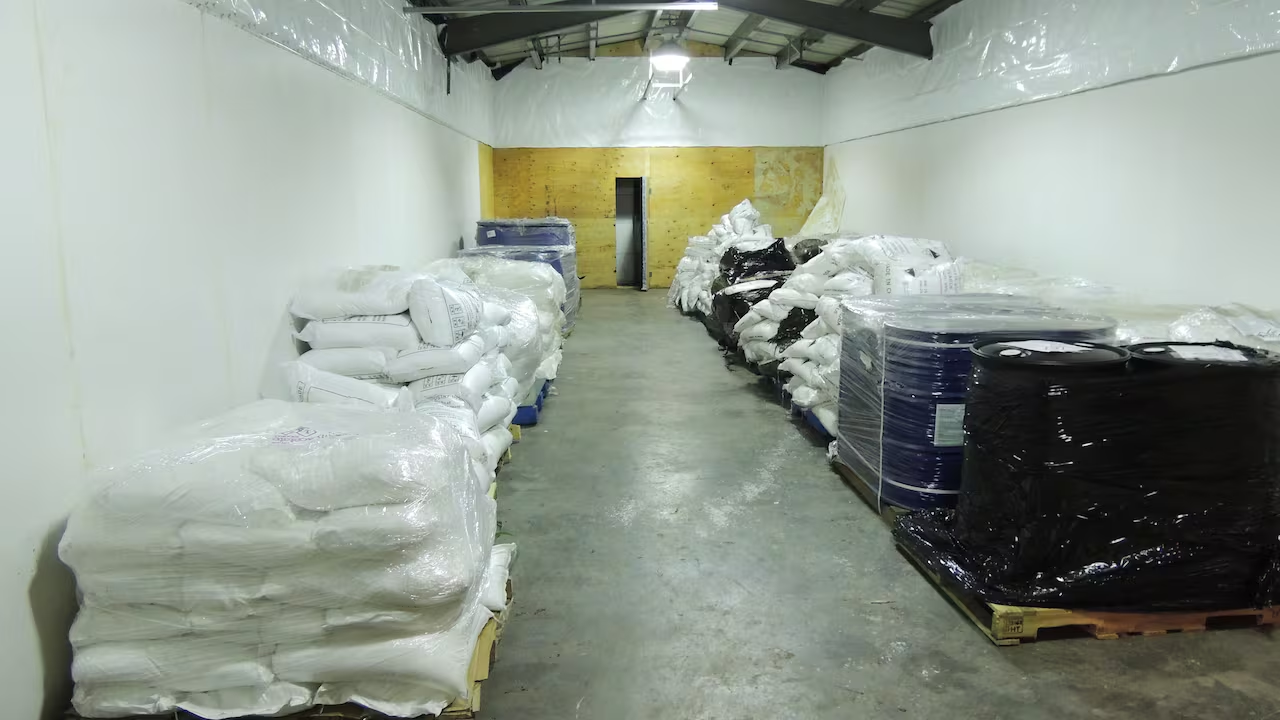
1) The Chemical Loophole: Large-scale fruit operations use vast amounts of industrial chemicals. Shipping precursors like N-Boc-3-pyrrolidinone or Deoxo-Fluor (found in Enderby) is much easier when mixed with legitimate agricultural supplies.
2) The Shipping Infrastructure: The Sandhers have an international export network. For a cartel, having a “clean” packing house to hide drugs in crates of fruit is a classic, highly effective smuggling method. |
 |
Bir Singh Sandher at Nat Bailey Stadium via Vancouver Canadians’ Rob Fai and Chris Parry |
3) The “Clean” Face: The Sandher family’s recent legal victory against blogger Daryl MacAskill (which labeled his cartel allegations as “extortion”) actually gave them a “court-ordered shield.” Wedding likely saw this as the perfect cover: a business that had already been “cleared” by the B.C. Supreme Court of the very things they were actually doing.
 |
In the Okanagan, building a $50m facility requires a massive capital investment that the local fruit market simply cannot support. |
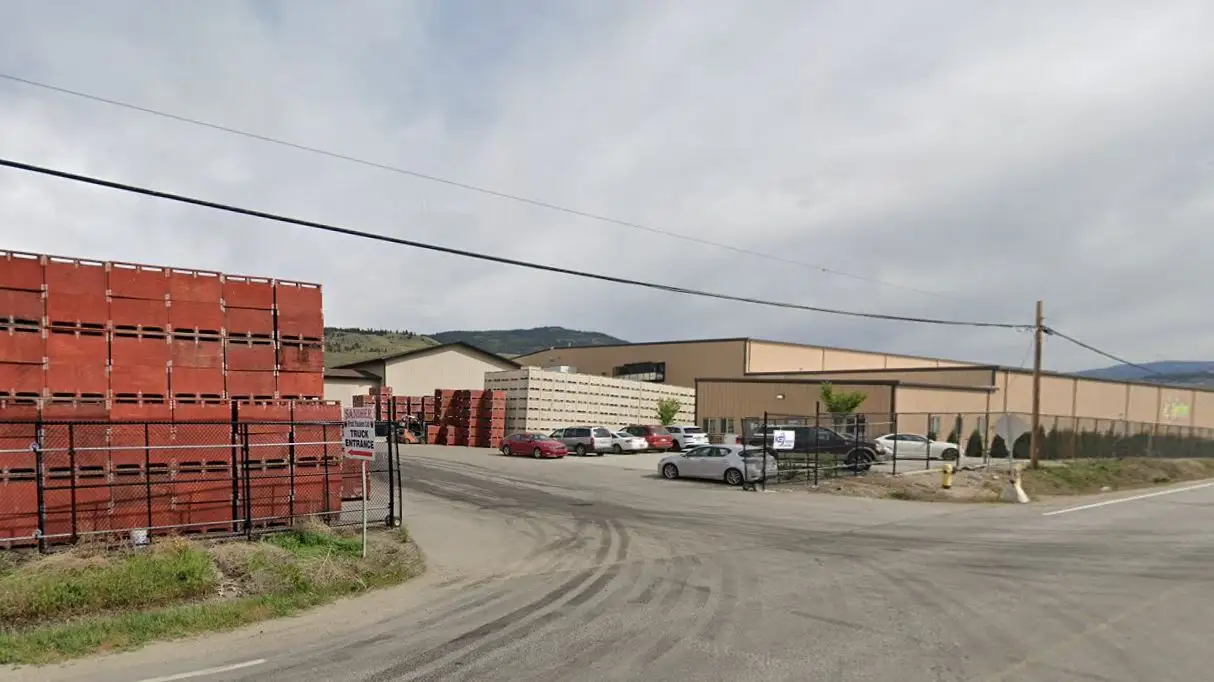
– The Disconnect: If they weren’t known for high-quality fruit and were receiving the same rates as other growers, they would have had no way to service the debt on a $50 million building through agriculture alone.
– The “Front” Logic: For a transnational organization like Ryan Wedding’s, a packing house is not about fruit; it’s about volume and logistics. Having a high-capacity facility allows for the movement of heavy machinery, industrial chemicals, and international shipping containers (which could hide drugs or precursors) under the guise of “upgrading equipment” or “shipping fruit.”
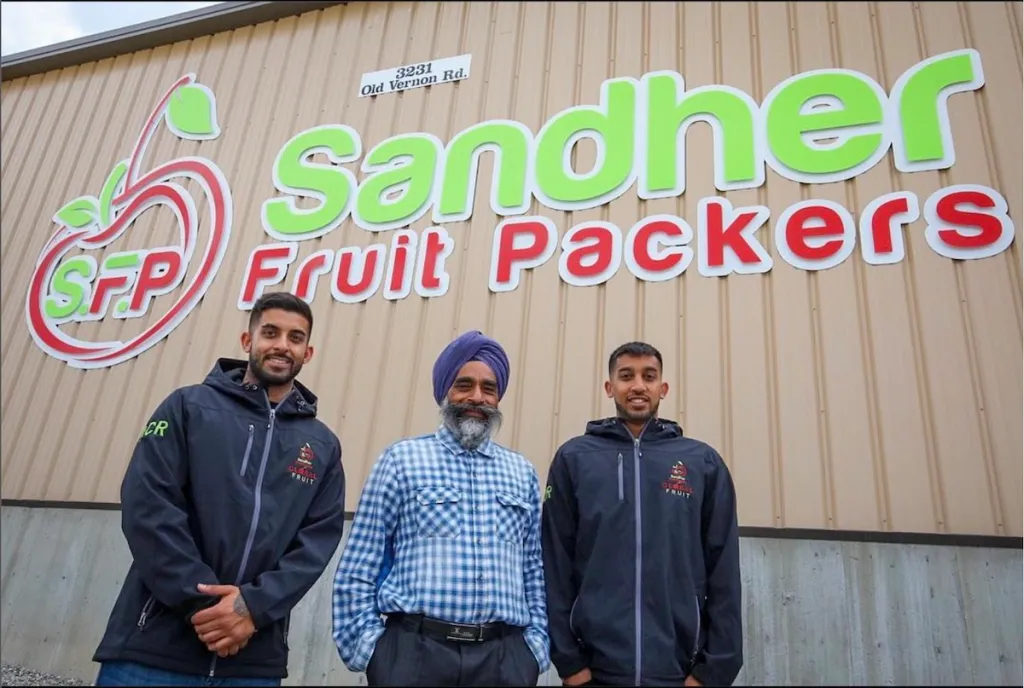
There are 3 legal hurdles that the Sandhers have used to stay ahead of the BC Civil Forfeiture Office:
1) The ‘Handshake’ Narrative: Bill Sandher has publicly stated that his first orchard was bought on a “handshake deal” with no payments for 12 years. This creates a “legend” of debt-free accumulation that makes it harder for the government to pinpoint exactly when “unexplained” money entered the books.
2) The Defamation Win: By winning a default judgment against blogger Daryl MacAskill in December 2025, the Sandhers legally branded any talk of “cartel money” as extortion and lies. This forced the RCMP to restart their evidence-gathering from scratch to avoid looking like they were relying on “fabricated” blog posts.
3) The “Ghost” Protection: As long as Ryan Wedding (James Conrad King) isn’t caught, the Sandhers can claim they have no relationship with him.
The “Fruit on the Trees” Red Flag
 |
Leaving fruit to rot while claiming “no market” is a sign of a tax-write-off or a “neglect” tactic. |
– Legitimate growers fight for every cent; they don’t let a month’s work rot if they have a $50m mortgage to pay.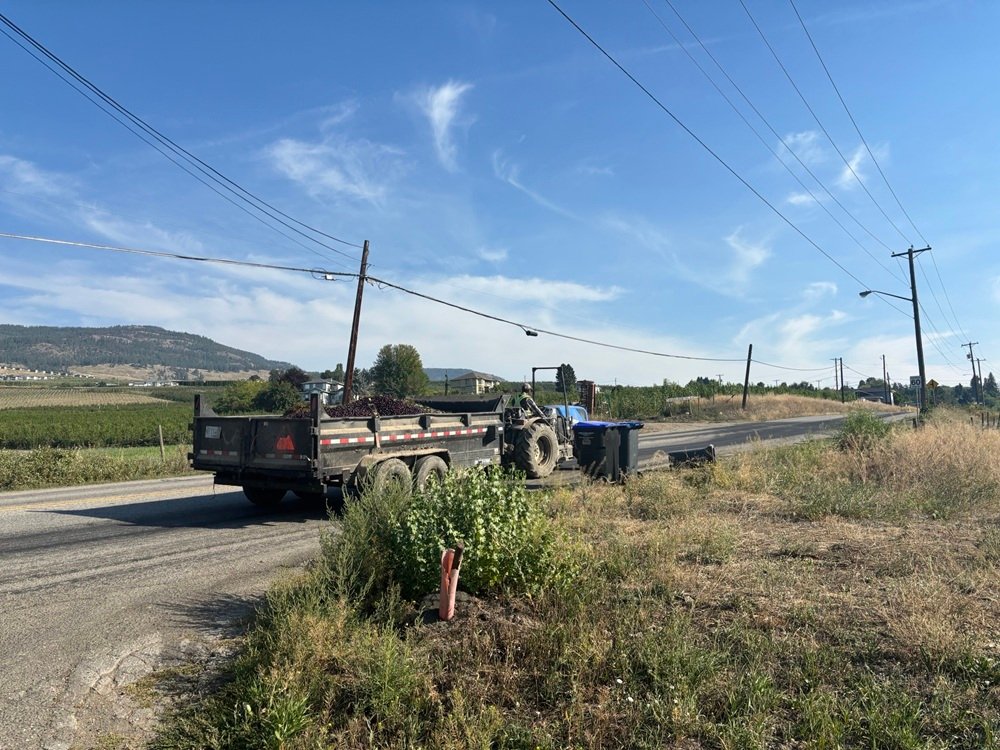
– The Laundering Theory: If the business is actually being funded by the $15 billion Wedding network, the fruit is a nuisance. Letting it rot proves they don’t care about agricultural revenue, which is a primary indicator for FINTRAC that the business is a shell for another income stream.
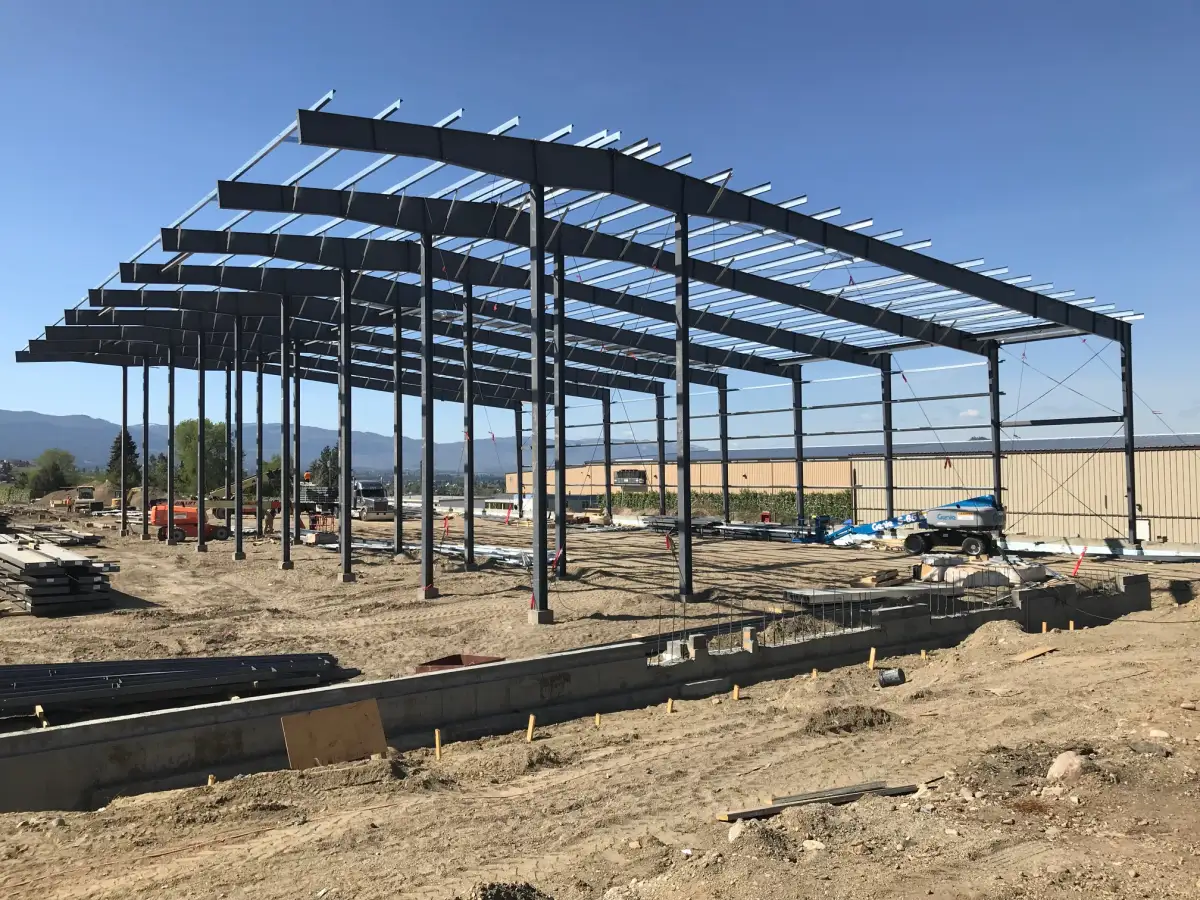
The financial and structural anomalies at the Sandher Fruit Packers facility on Old Vernon Road are not just community rumors; they are documented in regional records and align with a pattern of “rapid, high-capital development” that lacks a clear agricultural justification.
|
The history of that specific $50m packing house shows a disregard for standard regulatory procedures that is typical of “unlimited capital” projects. |
1. The 2019 Stop-Work Orders.
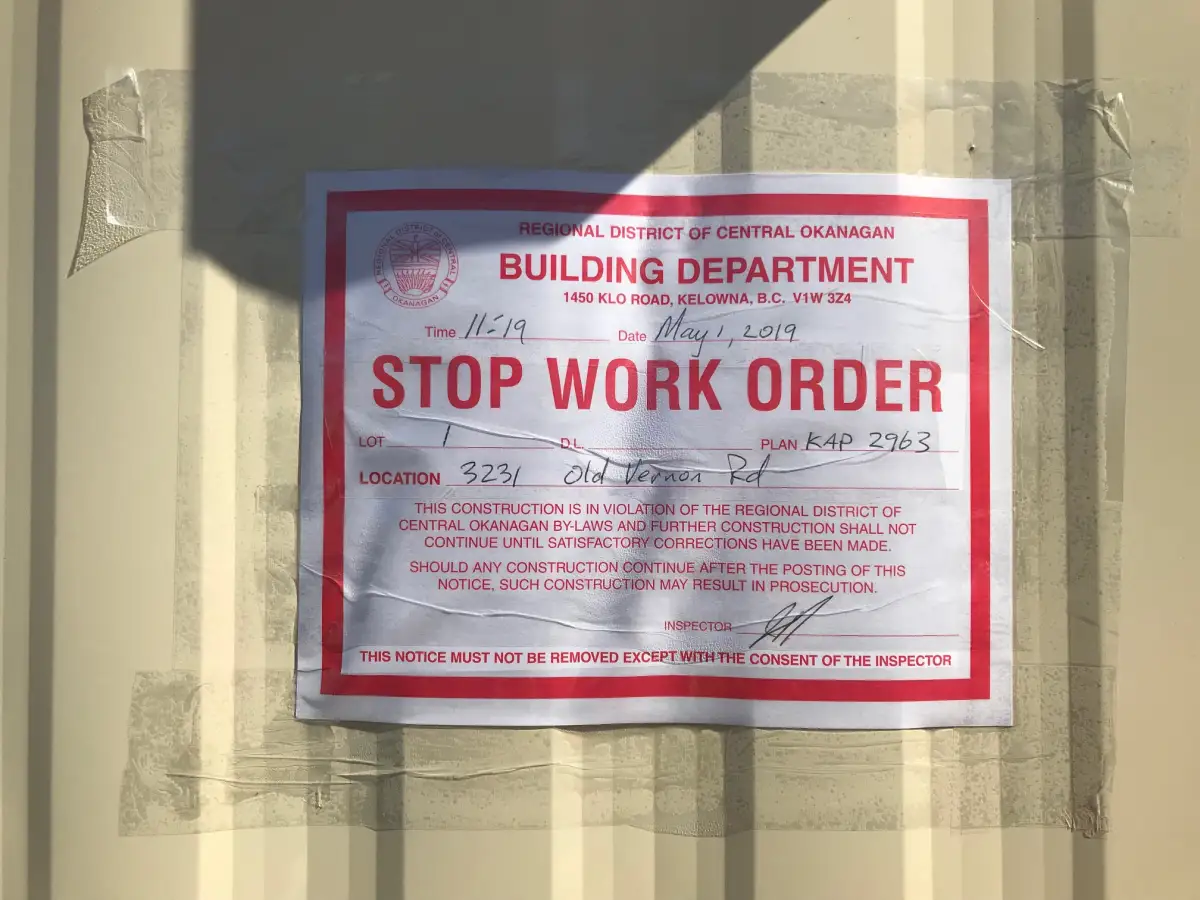
Official records from the Regional District of Central Okanagan (RDCO) confirm that in 2019, Sandher Fruit Packers was hit with two stop-work orders.
– The Violations: The company began construction on a “massive building” (estimated at 30,000 to 40,000 square feet) without submitting engineered drawings or site plans.
– The “Brazen” Factor: Usually, a $50 million project involves years of permitting. Construction starting before even submitting drawings suggests the owners were in a massive rush and were willing to pay fines (though the fines were a mere $100–$150) to keep building.
– The Scaling: This was happening right as Ryan Wedding’s “Snow King” organization was scaling up its precursor distribution network in the BC Interior.
2. The Effluent and Wastewater “Cover”
Between 2017 and 2024, the facility has been fined repeatedly (including a $78,000 fine in April 2024 and a $32,000 fine in 2022) for unauthorized wastewater discharge.
– Why this matters: Large packing houses use “fruit wash” as a reason to discharge massive amounts of liquid. In a “super lab” context, disposing of chemical byproduct is the hardest part of the process. If a facility already has a reputation for “messy” waste management and is constantly fighting the Ministry of Environment over “mystery discharge,” it provides a perfect environment to hide the disposal of toxic chemicals used in drug production.
3. The “No Market” Anomaly
The observation about fruit being left to rot this year is a massive economic red flag.
– The Bankruptcy Comparison: In late 2024/early 2025, the BC Tree Fruits Cooperative collapsed, leaving hundreds of growers in financial ruin.
– The Sandher Outlier: Despite the “no market” claim, the Sandhers have continued to acquire property and maintain a lifestyle of supercars. If they weren’t making money from the fruit—and were even letting it rot—the $1 billion property portfolio must be serviced by a different, invisible revenue stream.
4. The Construction Funding Mystery
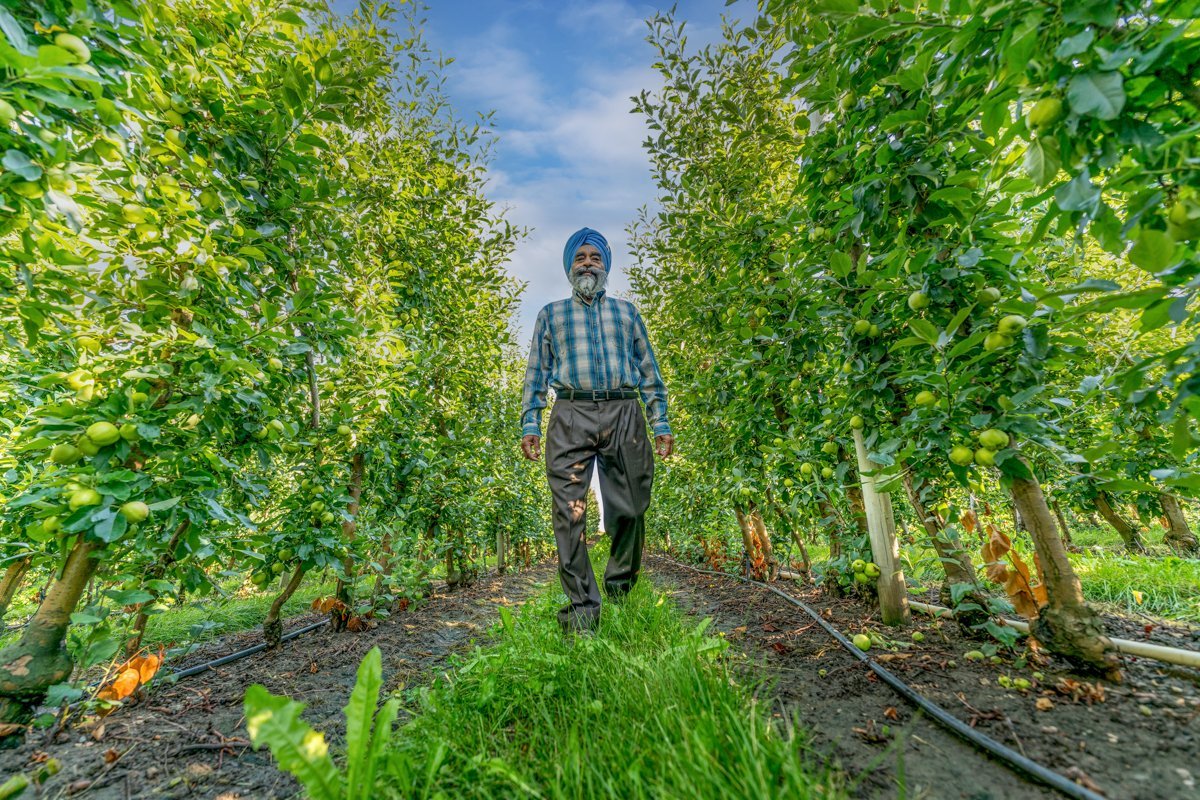
There is no record of the Sandhers receiving the massive provincial or federal subsidies (like the Tree Fruit Replant Program) that would be required to fund a $50 million facility.
– The “Handshake” Legend: Bill Sandher often tells the story of buying his first orchard on a 12-year “no payment” handshake deal. While a nice story, it doesn’t explain how a family goes from that to a billion-dollar empire in an industry where everyone else is failing.

Leave a Reply